Homemade Sweet Sourdough Loaf
Highlighted under: Dessert & Dough
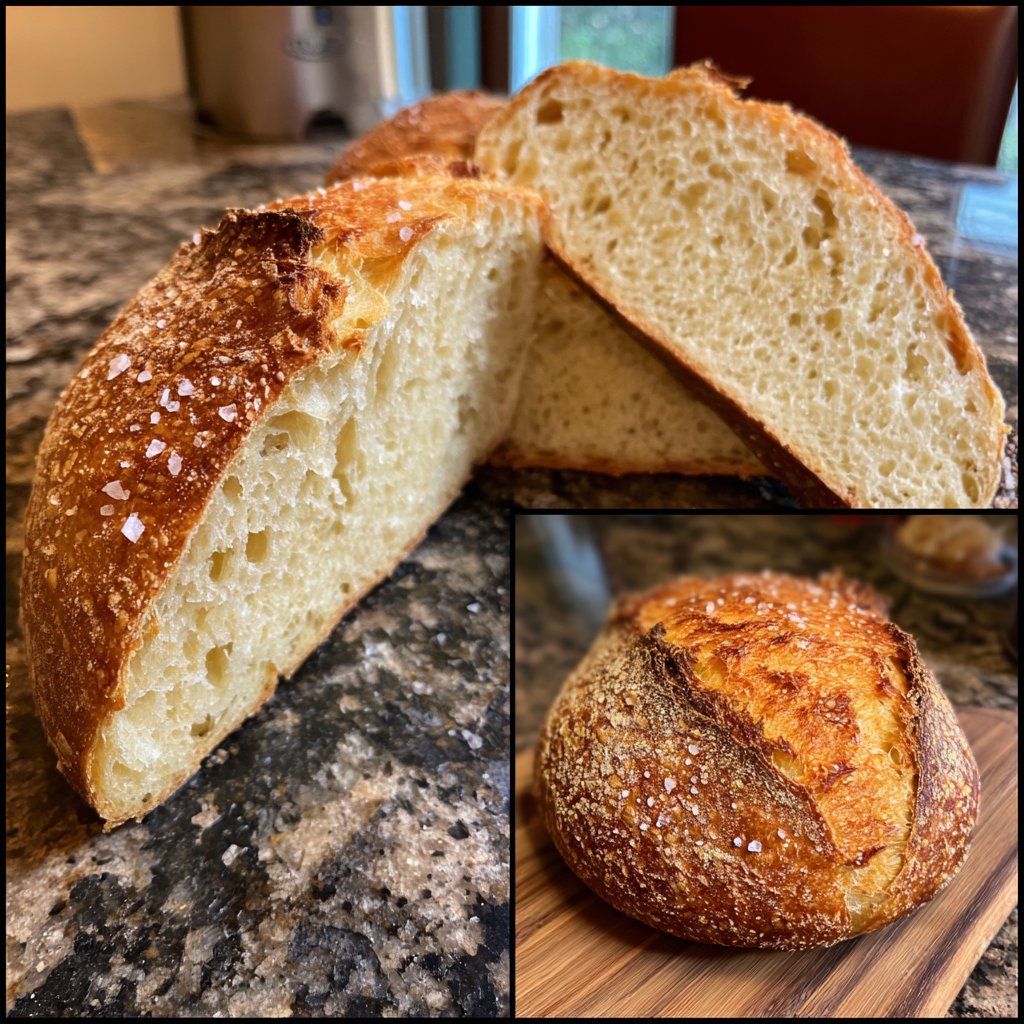
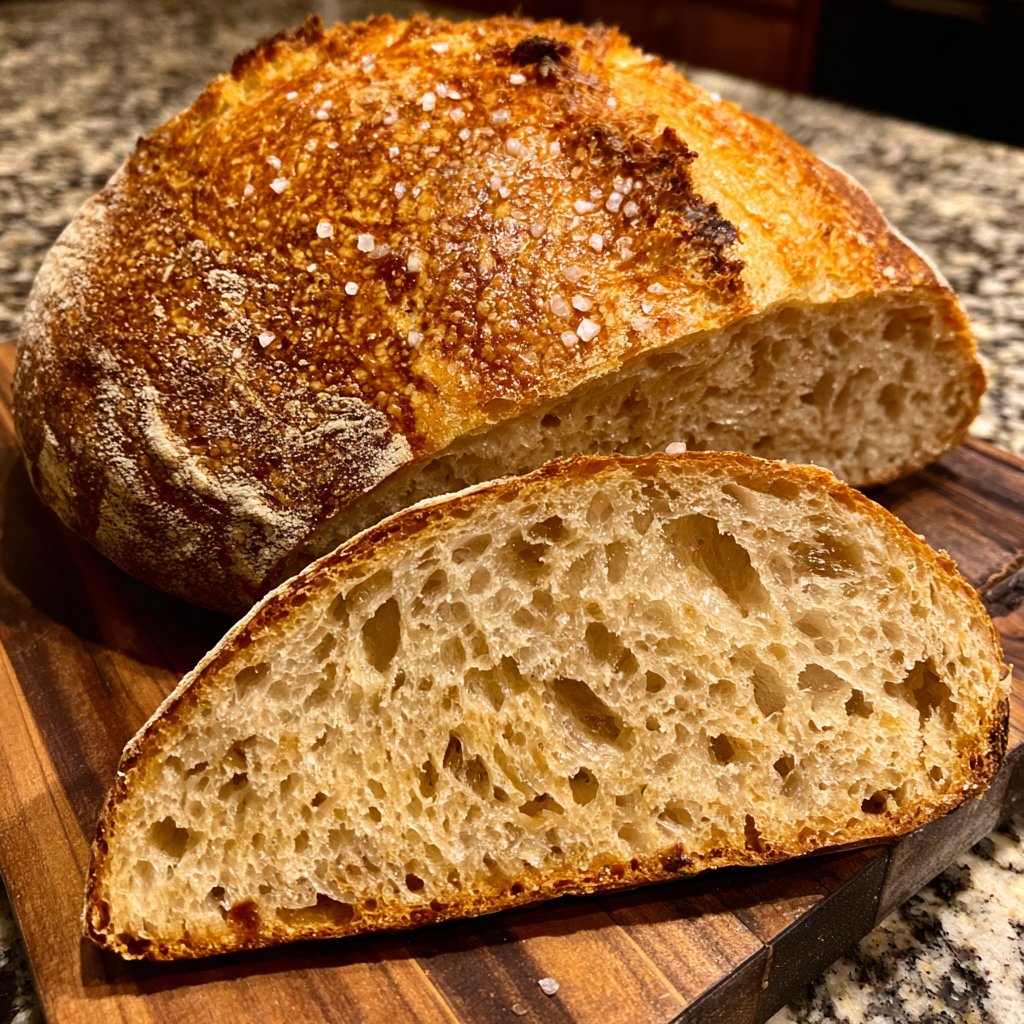
I absolutely love baking bread, and there's something incredibly satisfying about making my own sweet sourdough loaf. The aroma that fills my kitchen as it bakes is simply irresistible. I've experimented with different ingredients, and using a hint of honey and a touch of cinnamon brings out wonderful flavors. Every time I slice into this loaf, I'm reminded of cozy mornings with warm butter melting into the soft, crusty bread. It's perfect for breakfast or as a delightful treat any time of the day.
When I first tackled sourdough bread, I was amazed by how simple the process could be yet yielded such complex flavors. My secret ingredient was a touch of honey, elevating the sweetness and enhancing the natural sour notes of the bread. I also found that letting the dough rise overnight really developed a rich flavor, which I can't recommend enough.
One tip I've learned is to ensure your sourdough starter is active and bubbly before beginning. This leads to a wonderfully fermented dough that rises beautifully in the oven. Trust me, the wait is worth it when you pull that golden loaf from the oven!
Why You Will Love This Recipe
- Delightfully sweet and tangy flavor profile
- Soft and airy crumb with a delightful crust
- Perfect for sandwiches or enjoyed on its own
Understanding Sourdough Fermentation
The importance of a robust sourdough starter in this sweet sourdough loaf cannot be overstated. It serves as the backbone of fermentation, contributing to both the rise and the unique tangy flavor of the bread. Make sure your starter is active and bubbly before beginning; it should ideally be fed 4-6 hours before you plan to use it. This attention to detail results in a more pronounced flavor and a better structure in the finished loaf.
During the first rise, also known as bulk fermentation, the dough should ideally approximately double in size. This process can take between 6 to 8 hours at room temperature, or you can opt for an overnight rise in the fridge. The cold fermentation allows for a slower fermentation, enhancing the flavors and texture further. If you see small bubbles forming on the surface of the dough, that's a good sign—your starter is doing its job!
If you find that your dough isn't rising as expected, check the temperature of your kitchen. In cooler conditions, the rise can slow significantly. A warm, draft-free environment is ideal to promote active fermentation. As an alternative, you can use a proofing box or even place the dough in an oven with just the light on to create a warm atmosphere.
Shaping and Scoring Techniques
After the first rise, the technique of gently deflating your dough before shaping is crucial. This process helps redistribute the gases within the dough, maintaining its airy structure while preparing it for the loaf shape. When shaping the dough, be sure to stretch and fold it, creating tension on the surface. This tension will assist in achieving a better rise during the second proof and improve the overall structure of the loaf.
When it comes to scoring your loaf just before baking, it's essential for both aesthetics and functionality. Use a sharp blade or a lame to make a single, clean cut across the top. This helps control where the bread expands while baking, offering a professional-looking finish and allowing steam to escape. Don't rush this step; a well-placed score can be the difference between a flat loaf and one that rises beautifully in the oven.
If you're feeling adventurous, try creating different patterns with your scoring. A series of parallel cuts or a swirled pattern can elevate the visual appeal of your sourdough loaf, making it not only a treat for the palate but for the eyes as well. Just remember to be gentle; overly aggressive scoring can cause the bread to deflate.
Storage and Serving Suggestions
Once your homemade sweet sourdough loaf is baked, allow it to cool completely on a wire rack. This cooling period is crucial as it helps set the crumb structure. Never slice into warm bread; doing so can result in a gummy texture. To store your bread, wrap it in a clean kitchen towel and place it in a bread bag or a sealed container at room temperature. This method helps maintain its crust while keeping the crumb soft.
For extended storage, consider freezing your sourdough loaf. Slice the bread before freezing; this makes it convenient to pull out only what you need. Wrap each slice individually in plastic wrap or parchment paper, then place them into an airtight freezer bag. To enjoy, simply toast the slices directly from the freezer or let them thaw at room temperature. This preserves the loaf's flavor and moisture, ensuring a delightful texture upon reheating.
When it comes to serving your sweet sourdough loaf, the options are endless. While it pairs perfectly with butter, a spread of honey or a dollop of cream cheese can add an extra layer of indulgence. For a delightful breakfast or brunch, consider topping it with fresh fruit or a sprinkle of cinnamon sugar. Alternatively, use it as the foundation for a gourmet sandwich; the sweet and tangy flavor pairs beautifully with both sweet and savory fillings.
Ingredients
Gather the following ingredients to get started on your homemade sweet sourdough loaf:
Bread Ingredients
- 500g all-purpose flour
- 350ml warm water
- 100g active sourdough starter
- 50g honey
- 10g salt
- 1 teaspoon cinnamon
Once you have everything prepared, let's move on to making the dough!
Instructions
Follow these steps to create your homemade sweet sourdough loaf:
Mix the Dough
In a large mixing bowl, combine the flour, water, sourdough starter, honey, salt, and cinnamon. Mix until a shaggy dough forms.
Knead the Dough
Transfer the dough to a floured surface and knead for about 10 minutes until smooth and elastic.
First Rise
Place the dough in a lightly oiled bowl, cover with a damp cloth, and let it rise for 6-8 hours at room temperature or overnight in the fridge.
Shape the Loaf
After the first rise, gently deflate the dough and shape it into a loaf. Place it in a greased loaf pan.
Second Rise
Cover the loaf with a cloth and let it rise for an additional 2-3 hours.
Preheat and Bake
Preheat the oven to 220°C (430°F). Bake the loaf for 35-40 minutes or until golden brown.
Cool and Serve
Allow the bread to cool completely before slicing. Enjoy your homemade sweet sourdough loaf!
And there you have it! Your delicious sweet sourdough loaf is ready to be enjoyed.
Pro Tips
- For an extra touch, consider adding dried fruits or nuts to the dough for variation.
Ingredient Insights
In this recipe, honey serves not just as a sweetener but also plays a role in enhancing the overall moisture and softness of the bread. It's essential to measure the honey carefully; too much can overshadow the sourness. If you're looking to cut back on sugars, consider substituting with agave syrup or maple syrup—both work well but may impart different flavor notes.
Cinnamon is another pivotal ingredient, contributing warmth and depth to the loaf's flavor profile. While the recipe calls for one teaspoon, you can either increase or decrease this amount to suit your taste. For a more exotic twist, try adding a pinch of nutmeg or cardamom for a nuanced flavor that complements the sweetness of the honey.
Finally, if you're seeking a gluten-free version, you can experiment with a suitable blend of gluten-free all-purpose flour. However, be aware that this may require adjustments, particularly in hydration, as gluten-free flours can absorb different amounts of liquid.
Troubleshooting Common Issues
If you notice that your bread is dense or doesn't rise well, this could be due to an inactive starter. Always check that your starter is bubbly and has doubled in size post-feeding before using it. If your dough seems overly sticky during kneading, adding small amounts of flour in increments can help manage the texture without kneading in too much flour, which may lead to a denser loaf.
Should your loaf end up with a thick crust that you find hard to chew, consider reducing the baking time or temperature slightly next time. Every oven behaves differently, and an over-baked loaf can lead to undesirable crust characteristics. A baking stone or steam pan in the oven can help achieve a crust that is crispy without being excessively hard.
In case of over-proofed dough, you may recognize a very wet and sticky texture, causing the loaf to collapse while baking. To avoid this, keep an eye on the dough during the second rise; it should ideally double in size but not become overly puffy. If you suspect it's over-proofed, you can reshape it gently, allowing for a short second rise before baking.
Scaling the Recipe Up or Down
This sweet sourdough loaf recipe is quite flexible in terms of scaling. If you wish to make a larger batch, simply double or triple the ingredients while maintaining the same ratios. Remember to adjust your mixing and kneading space accordingly; you may need a larger bowl or surface to accommodate the increased volume.
Conversely, if you need to reduce the quantities, you can safely halve the recipe. Be mindful of halving the yeast or starter, which will still need to maintain some activation time. Accurate scaling is vital to retain the flavor and texture that makes this loaf special, so take care when measuring, especially the liquids and active ingredients.
When scaling, be conscious of bake times too. A larger loaf may require longer in the oven, while smaller loaves may bake faster. Always keep an eye on color and internal temperature; the ideal internal temperature for bread should be around 90°C (195°F). Using a thermometer can help ensure you're baking your bread just right.
Questions About Recipes
→ How do I know if my sourdough starter is active?
It should be bubbly and have doubled in size within 4-6 hours after feeding.
→ Can I substitute the honey with another sweetener?
Yes, you can use maple syrup or agave syrup as alternatives.
→ Is it possible to make this loaf without cinnamon?
Absolutely! You can omit the cinnamon or replace it with other spices like nutmeg.
→ How should I store the loaf?
Keep it in a bread box or wrapped in a cloth at room temperature for up to 3 days.
Homemade Sweet Sourdough Loaf
Created by: Kayla Monroe
Recipe Type: Dessert & Dough
Skill Level: Intermediate
Final Quantity: 1 loaf
What You'll Need
Bread Ingredients
- 500g all-purpose flour
- 350ml warm water
- 100g active sourdough starter
- 50g honey
- 10g salt
- 1 teaspoon cinnamon
How-To Steps
In a large mixing bowl, combine the flour, water, sourdough starter, honey, salt, and cinnamon. Mix until a shaggy dough forms.
Transfer the dough to a floured surface and knead for about 10 minutes until smooth and elastic.
Place the dough in a lightly oiled bowl, cover with a damp cloth, and let it rise for 6-8 hours at room temperature or overnight in the fridge.
After the first rise, gently deflate the dough and shape it into a loaf. Place it in a greased loaf pan.
Cover the loaf with a cloth and let it rise for an additional 2-3 hours.
Preheat the oven to 220°C (430°F). Bake the loaf for 35-40 minutes or until golden brown.
Allow the bread to cool completely before slicing. Enjoy your homemade sweet sourdough loaf!
Extra Tips
- For an extra touch, consider adding dried fruits or nuts to the dough for variation.
Nutritional Breakdown (Per Serving)
- Calories: 320 kcal
- Total Fat: 3g
- Saturated Fat: 0g
- Cholesterol: 0mg
- Sodium: 360mg
- Total Carbohydrates: 66g
- Dietary Fiber: 3g
- Sugars: 8g
- Protein: 9g